
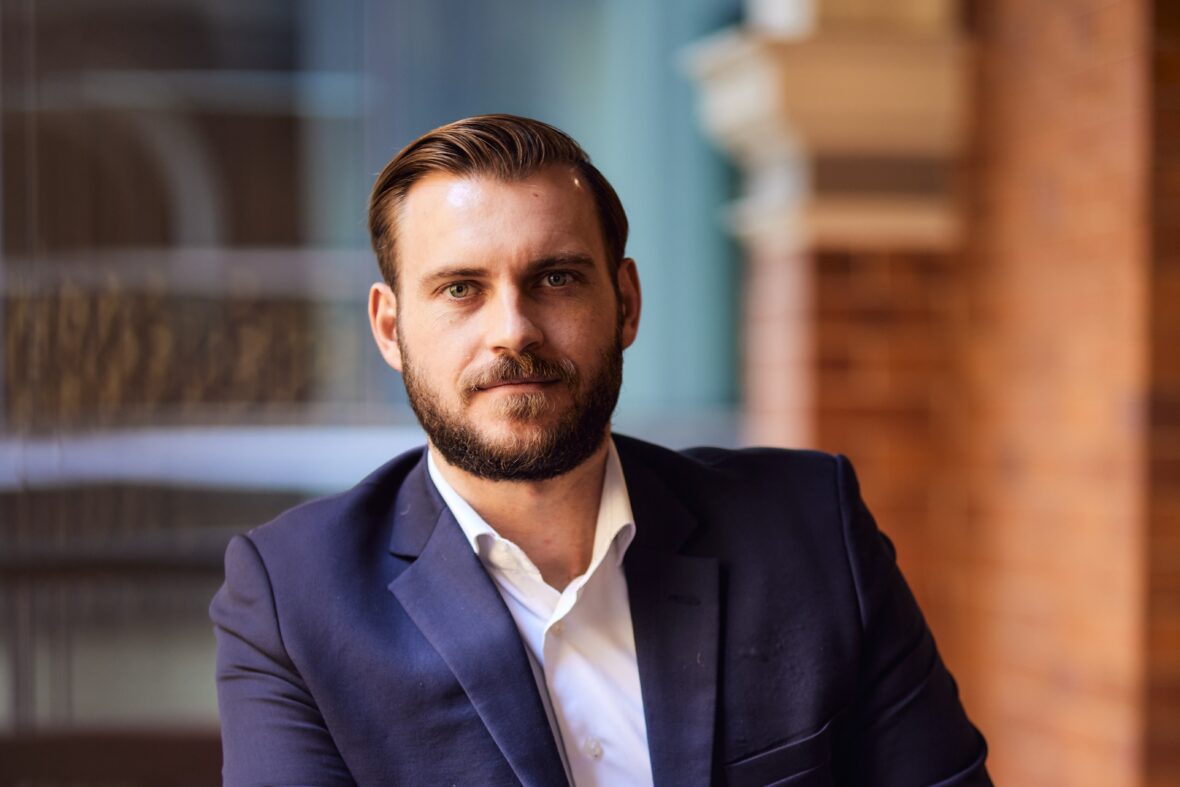
James Duffy, Alvia Private Markets Investment Director
October 2026
Australia has around 164,000 businesses turning over between $2 million and $100 million a year. For many of their owners, selling the business is a central part of retirement planning. Yet more than half of those approaching an exit have no succession plan in place.
Our Investment Director for private markets, James Duffy, spoke with Money Management about why we think this part of the market deserves a closer look from advisers whose clients want private markets exposure.
Capital is a big part of the story. Private equity money is heavily concentrated in larger deals: for every dollar aimed at the lower mid-market, roughly five times as much is chasing mid-market businesses and close to 12 times as much is targeting large caps. Fewer bidders means better entry prices, and owners in this segment often weigh more than the headline number.
“Less competition means more sensible entry pricing, and many owners will choose a partner who will maintain their legacy over a particular price.”
Much of our work here involves helping a good business through the handover from one owner to the next. We think of it as a relay. The companies we back typically offer both growth and income, and the approach is hands-on. Our portfolio includes Altimate Foods, Australia’s largest domestic producer of ice cream cones, Pure Environmental, which manages regulated and hazardous waste, and Envoi Specialist Pathologists, to name a few.
For advisers, the usual discipline still applies around earnings, defensibility and deal structure. Manager selection deserves particular attention. James noted the average gap between managers is 14% in private equity, against 3% in listed markets, so the choice of manager can matter as much as the allocation itself.
These investments generally suit high-net-worth investors and family offices, given minimum investment sizes and the work involved in understanding each opportunity. Liquidity is the other test, and it needs to be settled with clients before any capital goes in.
“These opportunities suit those who can appreciate the illiquidity. And if I flip that upside down, it’s someone who can withstand not having that capital for at least 10 years.”