
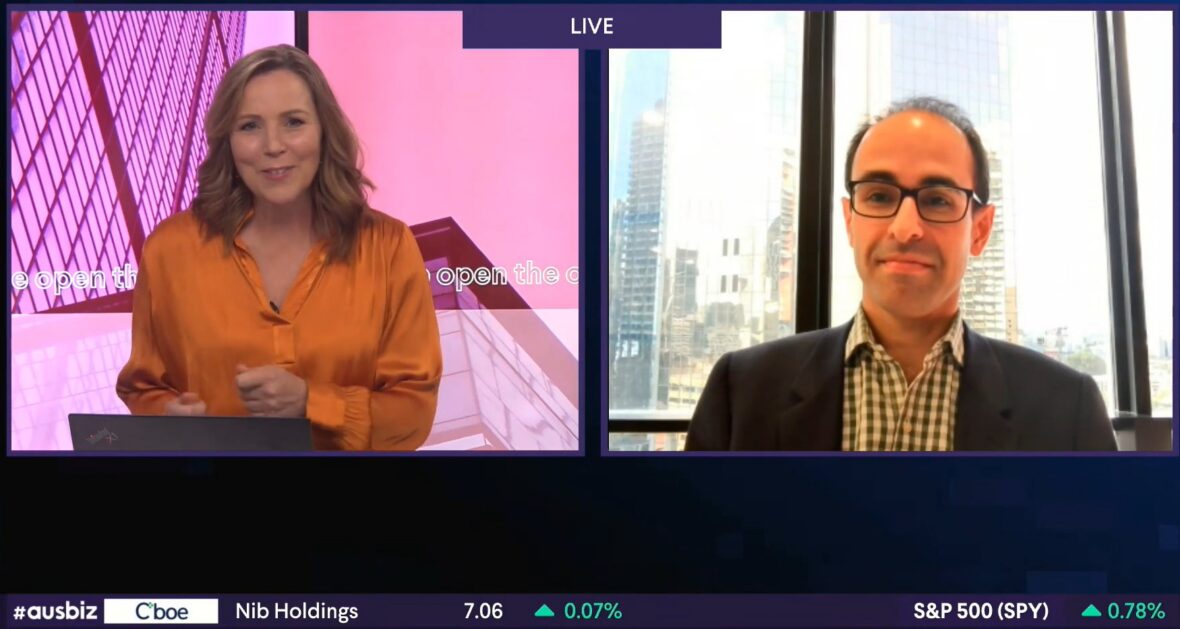
CSL has spent the past year moving from market darling to a stock priced, in Chris Scarpato’s view, for something close to terminal decline. Speaking on ausbiz, the Alvia portfolio manager laid out why he thinks that repricing has gone too far.
The numbers tell part of the story. CSL is down around 50% over the past year, but has rallied roughly 25% in the past month alone, a pattern more consistent with a stock in the middle of a re-rate than one in structural decline.
Chris didn’t shy away from where the bear case has merit. The Vifor acquisition, which took CSL into iron deficiency and nephrology, was poorly timed and under-researched at the point of purchase, and has left the business carrying real patent risk. Combined with recent earnings downgrades, it’s understandable why sentiment turned.
But Chris argues the market has let that single misstep obscure the strength of CSL’s core operations. Behring remains the world’s largest plasma fractionator, operating in a global oligopoly that has seen no meaningful new competition in more than two decades. Seqirus, CSL’s influenza vaccine business, still holds a top-three position globally, even as a more vaccine-sceptical political environment in the US creates near-term headwinds.
Chris also pointed to the return of experienced executive Gordon Naylor as a signal that CSL is sharpening its focus back onto core operations, after a period where the Vifor distraction pulled attention elsewhere.
At around 15x forecast FY27 earnings, Chris sees CSL priced as though its competitive advantages have eroded. Given the strength and durability of its core plasma and vaccine businesses, we think that assessment is too pessimistic, and the risk-reward at current levels looks favourable.